A professional flexible packaging manufacturer with more than 8 years experience - KMJbag
Language
Turn food packaging bags into powerful branding tools. Boost visibility, enhance customer experience, and drive sales with creative marketing strategies.
Most businesses see food packaging as a necessity, not an opportunity—but that’s where they’re missing out. Every bag that leaves your store carries free advertising, a chance to boost brand recognition and a tool to build customer loyalty. The question isn’t whether food packaging should be part of your marketing strategy—it’s how to use it well.
The right design and branding elements can turn simple packaging into a conversation starter, a social media magnet, and even a reason for repeat purchases. In 2025, where every touchpoint matters, ignoring this marketing channel is leaving money on the table.
In this article, we’ll cover five creative ways to use food packaging bags for branding and marketing:
● Make packaging part of the experience – The right materials, colors, and textures affect perception and drive customer satisfaction.
● Turn every bag into a social media moment – Customers love visually striking, Instagram-worthy packaging.
● Use limited-edition packaging to boost demand – Seasonal, collectible, or exclusive designs can increase urgency and brand engagement.
● Incorporate QR codes for seamless interaction – Drive customers to your website, promotions, or loyalty programs with a simple scan.
By the end of this article, you’ll see food packaging not as an afterthought but as a powerful branding tool—one that keeps your business top-of-mind long after the last bite.
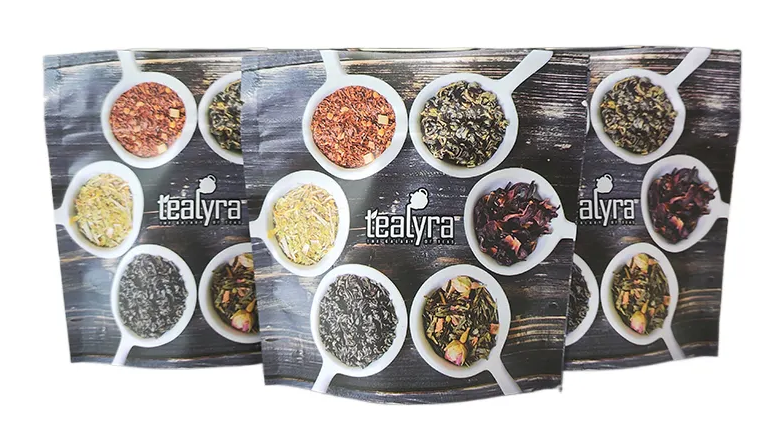
First impressions matter. When a customer picks up a food package, they’re not just holding a bag—they’re interacting with your brand. The way it feels, the colors that pop, and the quality of the material all set expectations for what’s inside.
A study found that 72% of consumers say packaging design influences their purchase decisions. That means your food packaging isn’t just a container—it’s a silent salesperson working on your behalf.
Customers associate packaging quality with product quality. A flimsy, easily torn bag signals cheap, forgettable, and not worth returning for. A sturdy, well-crafted package? That feels premium before they even take a bite.
Consider switching to:
● Matte finishes for a modern, high-end feel
● Glossy coatings for a sleek, eye-catching look
● Kraft paper bags to highlight sustainability and authenticity
Color triggers emotions and expectations. Fast-food chains use red and yellow because they’re known to stimulate appetite. Organic brands lean on green and earthy tones to reinforce a natural, wholesome image.
If you want to:
● Encourage impulse buys → Use bold, high-contrast colors
● Build a premium look → Stick to minimalistic, muted tones
● Showcase sustainability → Use neutral, earthy hues
Ever noticed how premium brands use embossed logos, soft-touch coatings, or thick paper? Texture makes packaging memorable. Customers associate a smooth, velvety bag with luxury and a rough, recycled feel with eco-consciousness.
A textured grip or embossed logo can:
● Increase the perceived value of your food products
● Make your brand stand out on store shelves
● Create a sensory experience that customers remember
When you align materials, colors, and textures with your brand identity, your packaging does more than protect food—it drives customer loyalty, enhances perception, and turns a simple bag into a brand statement.
A plain food bag? Forgettable. A visually striking, uniquely designed package? That’s a free marketing tool waiting to be shared.
Social media trends in 2025 are all about bold visuals, interactive elements, and storytelling. Customers want brands that create aesthetic moments worth posting. If your packaging stands out, it does the marketing for you.
Social platforms keep evolving, and so do customer expectations. These trends are shaping how brands approach packaging:
● AI-Generated Art – Unique, AI-assisted designs make every bag look fresh and innovative.
● Augmented Reality (AR) Packaging – Customers scan the bag to unlock interactive filters, product animations, or even personalized messages.
● Hand-Drawn Illustrations – A move away from over-polished branding to more human, artistic designs.
● Nostalgia-Driven Aesthetics – Y2K, 90s grunge, and vintage-style packaging create an instant emotional appeal.
To make food packaging social media-friendly, brands need to focus on what makes people stop scrolling and hit “post.”
● Eye-Catching Colors – Neon accents, holographic prints, and unexpected color pairings grab attention.
● Bold Typography – Playful, oversized fonts make your branding readable—even in quick-scroll environments.
● Limited-Edition Drops – Seasonal or collaboration designs encourage exclusivity and drive engagement.
● Hidden Messages or Easter Eggs – QR codes leading to exclusive content, secret messages, or inside jokes give customers a reason to interact.
People love showing off unique finds. If your packaging is Instagram-worthy, customers will post it—but you can push engagement further:
● Branded Hashtags – A catchy, campaign-specific hashtag makes it easy to track and reshare user posts.
● Contests & Challenges – Encourage customers to post creative unboxing moments in exchange for discounts or features.
● Influencer Partnerships – Collaborate with food bloggers and lifestyle influencers to organically integrate your packaging into viral content.
In 2025, packaging isn’t just a container—it’s a conversation starter. The more visually compelling it is, the more free exposure your brand gets.
Scarcity sells. When customers know a product won’t be around forever, they’re more likely to grab it while they can. That’s why limited-edition packaging has become a go-to strategy for brands looking to boost demand, engagement, and even resale value.
Exclusivity creates urgency and makes a brand feel more desirable. Whether it’s a seasonal design, a collectible series, or a special collaboration, customers want what feels rare.
Well-executed limited-edition packaging can:
● Encourage impulse purchases by signaling scarcity
● Turn ordinary packaging into a collectible item that customers keep
● Increase brand loyalty by rewarding repeat buyers with something unique
● Drive social media engagement as customers rush to share their finds
Not all limited-edition packaging is created equal. Successful designs tap into trends, nostalgia, or exclusivity.
● Seasonal and Holiday-Themed Packaging – Festive, themed designs tied to major holidays or seasons create a natural sense of urgency.
● Celebrity or Brand Collaborations – Co-branded packaging linked to influencers, artists, or pop culture moments instantly increases collectibility.
● Numbered Collectible Series – Packaging with sequential numbers makes each bag feel exclusive, encouraging customers to collect them all.
● Glow-in-the-Dark or Interactive Elements – Specialty coatings, augmented reality effects, or limited-time packaging variations make the product feel premium.
● Throwback and Nostalgic Designs – Retro branding taps into emotional connections, making customers more likely to make a purchase.
To maximize impact, promote exclusivity the right way:
● Create a countdown – Announce the launch and remind customers when the design will disappear.
● Reward repeat buyers – Offer early access to loyal customers.
● Bundle with other products – Limited-edition packaging can encourage upsells and bundle purchases.
Packaging isn’t just about looks—it’s a marketing tool that plays on psychology. When done well, limited-edition designs can turn a standard food bag into a must-have item.
A simple scan can turn a food bag into a powerful marketing channel. QR codes bridge the gap between physical packaging and digital engagement, giving customers instant access to promotions, loyalty programs, exclusive content, or direct ordering.
In 2025, customers expect convenience. QR codes make brand interaction effortless, helping businesses stay connected even after the last bite.
A well-placed QR code does more than just link to a website. It guides customers toward actions that increase engagement, sales, and loyalty.
● Loyalty Programs – Customers scan the code to collect rewards or sign up for exclusive discounts.
● Behind-the-Scenes Content – Showcase sourcing, sustainability efforts, or brand stories that create a deeper connection.
● Special Offers & Promotions – Limited-time discounts or BOGO deals encourage repeat purchases.
● Instant Reordering – Direct customers to an online store to restock their favorite items without searching.
● Nutritional Info & Ingredients – Provide transparency by linking to ingredient sourcing, allergy details, or dietary guides.
● Social Media Integration – A QR code that leads to an Instagram filter, branded hashtag, or a giveaway boosts online engagement.
Size matters when placing a QR code. Customers shouldn’t have to search for it—it needs to be visible and scannable at a glance.
● Front and center, near the logo for immediate recognition.
● Side panels work well for additional brand messaging.
● On the back panel for product information, offers, or loyalty programs.
● Under the fold for hidden, interactive experiences like Easter eggs or exclusive rewards.
● Side gussets for codes leading to recipes, meal prep tips, or sustainability efforts.
● Handles or closures for easy scanning while carrying the product.
A QR code should be unmissable but not intrusive. Make it part of the design while ensuring it’s functional.
● Use high-contrast colors to make scanning easier.
● Add a short call to action ("Scan for a discount," "Unlock rewards") to drive engagement.
● Keep it away from folds, seams, or high-crease areas to prevent scanning issues.
With the right QR code strategy, food packaging stops being a disposable container and becomes an interactive extension of the brand.
Your food packaging is more than a container—it’s a marketing tool waiting to be used. Every bag that leaves your business carries an opportunity to boost brand awareness, increase customer engagement, and drive repeat sales. The right design choices can turn packaging into an experience, a conversation starter, and even a reason for customers to return.
Here’s a quick recap of how to use food packaging bags for branding and marketing:
● Make packaging part of the experience – The right materials, colors, and textures shape customer perception and build brand loyalty.
● Create social media-worthy designs – Eye-catching visuals, interactive elements, and trendy aesthetics encourage customers to share your brand.
● Leverage limited-edition packaging – Seasonal, collectible, or exclusive designs drive urgency and make your packaging more desirable.
● Incorporate QR codes – A simple scan connects customers to your website, promotions, and loyalty programs, turning packaging into a direct marketing tool.
● Use eco-friendly materials to strengthen branding – Sustainable packaging enhances your brand’s reputation and attracts conscious consumers.
Food packaging isn’t just a finishing touch—it’s an extension of your brand. When done right, it works long after the purchase, keeping your business top of mind with every meal, snack, or order.
Shenzhen Mega Packaging Co.,LTD
The luckiest thing for us is to meet you,We are looking forward to do business with you!
Copyright © 2026 Shenzhen Mega Packaging Co.,LTD - www.kmjbag.com All Rights Reserved.
