A professional flexible packaging manufacturer with more than 8 years experience - KMJbag
Language
Are you in search of the perfect solution for protecting your products during transport? Look no further! Discover the key to ensuring the safe delivery of your goods with our comprehensive guide on choosing the right food packaging bags. Whether you're in the food industry or simply looking to secure your items in transit, our expert tips and recommendations will guarantee optimal protection every time. Read on to learn more about the importance of selecting the right packaging and how it can make a world of difference in safeguarding your products.
Your product might be top-tier, but if the packaging doesn’t hold up, that’s what people will remember. Crushed pastries. Leaking sauces. Stale chips. A weak bag can ruin everything before your product even reaches the shelf—or worse, a customer’s hands.
Transporting food safely isn’t as simple as tossing it into a bag and hoping for the best. Temperature shifts, rough handling, and exposure to air or moisture can turn fresh food into waste. The right packaging isn’t just a convenience—it’s a necessity.
So, how do you pick packaging that protects your product from the moment it leaves your facility to the second it’s opened? In this article, we’ll cover:
● Material types—how to match packaging with your product’s needs
● Barrier protection—keeping moisture, air, and contaminants out
● Durability factors—what makes a bag strong enough for transport
A bad bag can cost you money, reputation, and repeat customers. A good one? It keeps your product fresh, intact, and ready for sale. Let’s break down exactly how to choose the right food packaging bags for transport.
Food packaging is more than a protective layer—it’s an engineered barrier that directly impacts shelf stability, safety, and transport durability. Selecting the wrong material increases the risk of contamination, product degradation, and financial loss due to spoilage.
This section breaks down the core packaging materials used across the food industry, detailing their functional properties, structural integrity, and suitability for different food products.
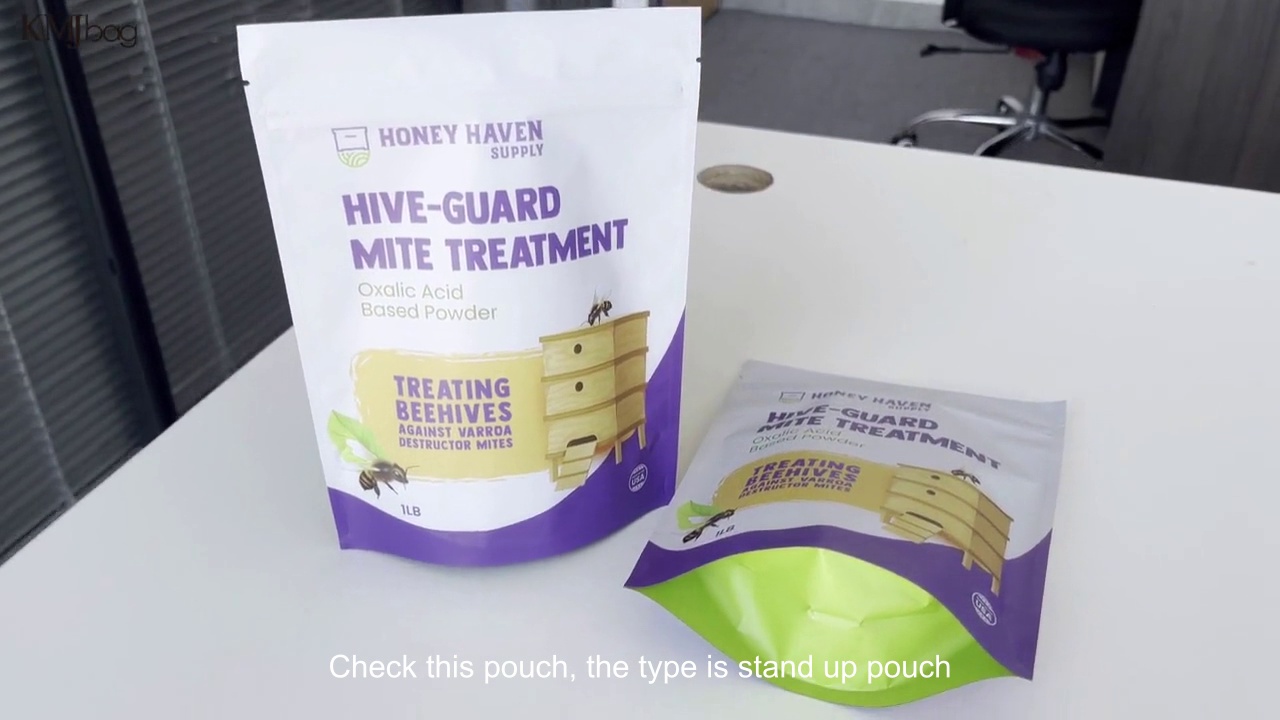
Plastic remains the dominant material in food packaging due to its customizable barrier properties, moisture resistance, and durability. However, not all plastics are the same. Different polymer compositions determine thermal resistance, gas permeability, and recyclability.
Common Plastics Used in Food Packaging:
Polyethylene is classified into several subtypes based on density and structural properties:
● Low-Density Polyethylene (LDPE) – Highly flexible and moisture-resistant, LDPE is commonly used for bread bags, frozen food wraps, and squeeze bottles. Its low oxygen barrier makes it unsuitable for products requiring extended shelf life.
● High-Density Polyethylene (HDPE) – More rigid than LDPE, HDPE offers higher tensile strength and is used for milk jugs, cereal box liners, and grocery bags. It is resistant to acids, bases, and alcohols but lacks the gas barrier properties needed for oxygen-sensitive foods.
● Metallocene PE (mPE) – A modified polyethylene with enhanced heat-sealing properties, making it ideal for high-speed packaging lines. It is often used in stand-up pouches and frozen food bags.
Polypropylene provides superior heat resistance, mechanical strength, and clarity, making it the preferred choice for products requiring hot-fill processing or microwave-safe packaging.
● Used for snack packaging, yogurt containers, and microwavable meal trays.
● Offers higher rigidity than PE, reducing puncture risks during transport.
● Naturally resistant to fat and grease, making it ideal for fast-food wraps and deli containers.
PET is known for its high tensile strength and excellent gas barrier properties, making it a top choice for vacuum-sealed and modified atmosphere packaging (MAP).
● Used in carbonated beverage bottles, salad clamshells, and high-barrier snack packaging.
● Thermoformable, allowing for rigid packaging solutions that maintain product integrity.
● When combined with ethylene vinyl alcohol (EVOH) layers, PET extends the shelf life of dairy and processed meats.
● Permeability varies—Not all plastics block oxygen, UV light, or moisture effectively.
● Environmental concerns—Most plastic packaging comes from fossil-based sources, increasing sustainability challenges.
● Heat sensitivity—Certain plastics deform under high temperatures, restricting hot-fill applications.
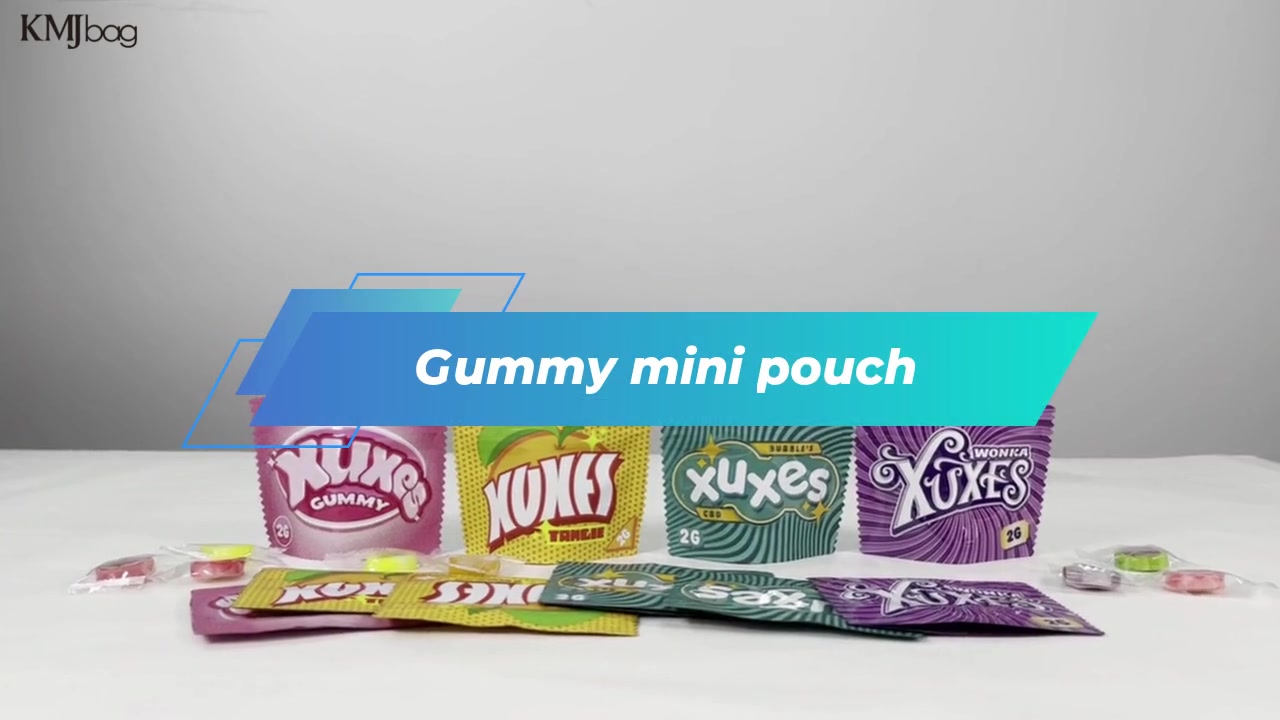
Paper-based packaging is preferred for sustainability-focused applications but lacks moisture and grease resistance unless treated or laminated. It is commonly used for dry foods, bakery items, and secondary packaging.
Types of Paper-Based Food Packaging:
● High tear resistance and biodegradability make it ideal for flour, sugar, and powdered foods.
● Absorbs oil and moisture, making it unsuitable for greasy or wet foods unless coated.
● Customizable for branding, commonly used in fast food and artisanal product packaging.
● Wax-coated papers provide moderate water resistance, used for butter wraps and burger liners.
● Poly-laminated paper has a thin plastic layer that enhances barrier properties, common in milk cartons and takeaway coffee cups.
● Though these coatings improve functionality, they reduce recyclability compared to uncoated paper.
● Used for pizza boxes, produce crates, and e-commerce food packaging.
● The fluted structure absorbs impact, protecting fragile products during distribution.
● Often lined with PE or foil to improve barrier performance for temperature-sensitive shipments.
Limitations of Paper Packaging
● Weak moisture and oxygen barrier—Uncoated paper allows rapid product degradation.
● Lower puncture resistance—More prone to damage during handling and shipping.
● Limited resealability—Does not support extended shelf-life applications.
Aluminum foil packaging provides exceptional protection against oxygen, moisture, UV light, and bacterial contamination, making it the preferred material for highly perishable and shelf-stable foods.
Types of Foil-Based Packaging:
● Used for coffee, infant formula, and freeze-dried meals.
● Blocks oxygen and UV rays, preventing oxidative degradation.
● Heat-sealable for vacuum packaging and modified atmosphere packaging (MAP).
● Often paired with PET or PE layers to improve durability.
● Provides a longer shelf life for dairy, protein powders, and confectionery.
● Commonly used in resealable pouches for extended freshness.
Limitations of Foil Packaging
● Higher cost per unit than plastic or paper.
● Prone to creasing and punctures, compromising the barrier effect.
● Not microwave-safe, limiting its use in ready-to-eat meals.
Sustainability demands have driven advancements in biodegradable and compostable packaging materials, offering alternatives to traditional plastic. However, performance limitations still exist, particularly in barrier properties and durability.
Types of Sustainable Packaging Materials
● Derived from cornstarch or sugarcane, making it commercially compostable.
● Used in clamshell containers, salad boxes, and flexible films.
● Lower thermal stability compared to PET, making it unsuitable for hot-fill applications.
● Derived from wood pulp, offering a plastic-free clear film.
● Provides moderate moisture resistance, making it useful for snack packaging and produce wraps.
● Breaks down in home composting environments, reducing landfill waste.
Limitations of Biodegradable and Compostable Packaging
● Decomposition requires specific conditions—Many materials need industrial composting facilities.
● Lower mechanical strength than conventional plastics.
● Shorter shelf life, requiring frequent turnover of stock.
The ideal packaging material depends on multiple factors: product sensitivity, storage conditions, transport requirements, and shelf life expectations. The wrong choice can compromise food safety and increase waste.
Selecting the right food packaging bags isn’t just about wrapping a product—it’s about preserving freshness, preventing damage, and ensuring regulatory compliance. The right material, barrier protection, durability, sustainability, and cost balance all play a role in how well a product holds up from production to the final destination. Whether shipping bulk ingredients, perishable goods, or ready-to-eat snacks, packaging strength and reliability make the difference between a successful delivery and a costly failure.
Here’s a quick recap of the key takeaways from this guide:
● Material choice determines food safety, freshness, and durability. Plastics, paper, foil, and compostable films all have different strengths and limitations.
● Barrier protection shields against oxygen, moisture, and contaminants. High-barrier films, vacuum sealing, and modified atmosphere packaging help extend shelf life.
● Durability ensures packaging survives transport conditions. Strong seals, puncture-resistant films, and impact-tested designs reduce product loss.
● Sustainability options minimize environmental impact. Compostable, recyclable, and reusable materials balance eco-conscious choices with functional performance.
● Cost vs. quality must be weighed carefully. Investing in high-performance packaging prevents losses due to spoilage, leakage, and regulatory non-compliance.
● Regulatory standards cannot be overlooked. Compliance with FDA, USDA, FSMA, ISO, and HACCP guidelines ensures food safety and legal approval.
Reliable packaging protects more than just the product—it safeguards brand reputation and customer trust. Choosing high-quality, properly engineered materials prevents unnecessary waste, protects against external elements, and ensures a seamless delivery process. With the right packaging strategy in place, food products arrive fresh, intact, and ready for sale—every time.
Shenzhen Mega Packaging Co.,LTD
The luckiest thing for us is to meet you,We are looking forward to do business with you!
Copyright © 2026 Shenzhen Mega Packaging Co.,LTD - www.kmjbag.com All Rights Reserved.
