A professional flexible packaging manufacturer with more than 8 years experience - KMJbag
Language
Discover the best mylar food storage bags to keep your food fresh longer. Ensure maximum protection with our expert tips for choosing quality bags.
Think your stashed food is genuinely secure for the long run? Many find out the hard way that common storage just doesn't cut it. We're here to change that. This guide makes choosing the best mylar food storage bags, like our quality selections at KMJbag, simple and effective.
You've likely seen various food storage options. Yet, mylar food storage bags stand out for very specific reasons. It’s not just about bagging food; it’s about preserving it effectively. Think of Mylar as a fortress for your food.
The real magic lies in their construction. These bags are typically made from multiple layers of laminated food-grade plastic and aluminum. This combination creates an unmatched barrier against the enemies of fresh food. We're talking about:
● Oxygen Annihilation: Oxygen is a primary culprit in food degradation, leading to staleness and spoilage. Mylar drastically limits oxygen transmission. When you pair KMJbag mylar bags with oxygen absorbers, you create a near-perfect, low-oxygen environment. Your food simply lasts much longer.
● Light Lockdown: Ever notice how some foods lose color or nutrients when exposed to light? Mylar's opaque nature blocks light entirely. This protects the nutritional value, taste, and appearance of your stored items. No more faded beans or weakened vitamins.
● Moisture Blockade: Moisture invites mold and bacterial growth – a disaster for stored food. Mylar is non-porous. It laughs in the face of humidity, keeping contents dry and safe. This is a HUGE advantage over many other packaging types.
● Odor Control: Strong smells stay in, and unwanted outside odors stay out. This means your spices won’t make everything else taste like curry, and your flour won’t absorb that musty basement smell.
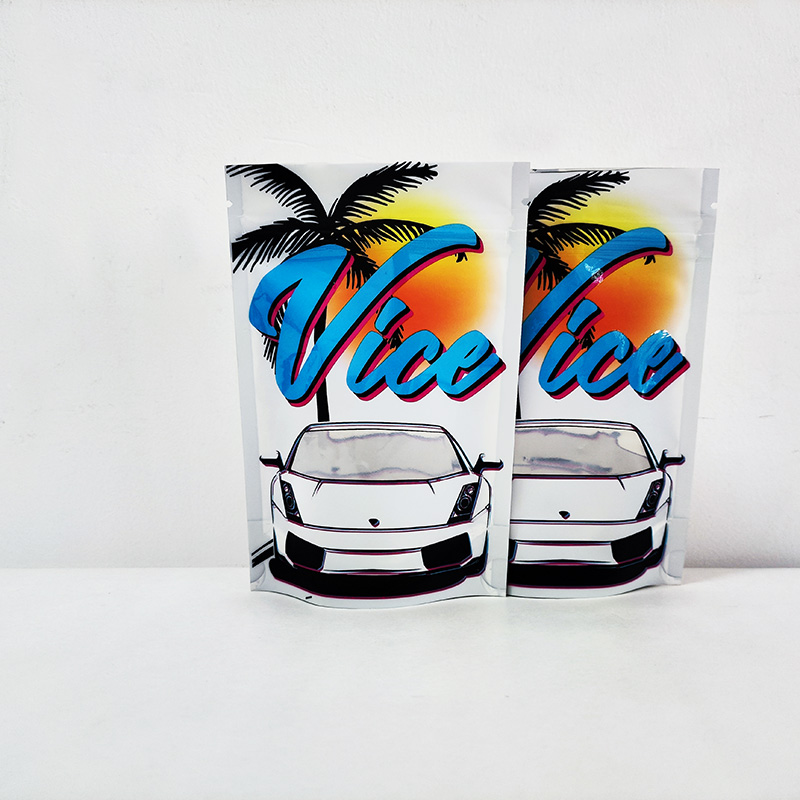
Selecting the right mylar food storage bags involves two key decisions: how thick the bag should be, and what size suits your needs. Get these right, and you're well on your way to long-lasting food security. Let's break it down.
You'll see thickness measured in "mils." One mil is simply one-thousandth of an inch (0.001 inches). It sounds tiny, but in the world of mylar, it makes a difference. Generally, a thicker bag offers more puncture resistance and a slightly better barrier against oxygen and moisture.
Here’s a common rundown of thicknesses:
● 3.5 to 4.5 Mil: These are solid choices for many items, especially for shorter to mid-term storage. Think powders, dried fruit, or less pointy items. They offer good protection without being too rigid.
● 5.0 to 5.5 Mil: This range is often considered the workhorse for long-term food storage. Our KMJbag selection frequently features options here. They provide an excellent balance of durability and flexibility, ideal for grains, beans, pasta, and more.
● 7.0 Mil and Up: This is your heavy-duty option. If you're storing items with sharp edges (like some pasta or jerky) or aiming for the absolute maximum protection and a very long shelf life, thicker is better. They are tougher, but also a bit stiffer to handle.
Mylar bags come in various sizes, and picking the right one is about practicality as much as preservation.
● Quart Size (approx. 6"x10" to 8"x12"): Perfect for smaller quantities. Use them for spices, herbs, coffee, individual meal portions, or for dividing a large bulk purchase into more manageable, single-use amounts.
● Gallon Size (approx. 10"x14" to 10"x16"): This is likely the most popular and versatile size. A gallon bag comfortably holds about 5-7 pounds of items like rice, beans, wheat, or oats. Many people use these as their go-to for most staples.
● 2-Gallon Size (approx. 14"x20"): A good intermediate for larger quantities than a gallon but not requiring a full bucket liner.
● 5-Gallon Size (often 20"x30"): These are typically used as liners for 5-gallon buckets. Ideal for storing large bulk quantities of staples like 25-30 pounds of wheat or rice.
Even the best mylar bags for food storage are only as good as their seal. A weak or incomplete seal leaves the door open for oxygen and moisture. We can’t have that. Then, we bring in the secret weapon: oxygen absorbers.
Your goal is an airtight closure. Here are common ways to achieve it:
● Impulse Sealers: These are champions for a reason. An impulse sealer provides a consistent, wide, and strong heat seal quickly. You simply place the bag edge on the sealing element, press down, and it does the work. We often recommend these for their reliability.
● Hair Straighteners/Flat Irons: A surprisingly effective household tool. Make sure the plates are clean. Set it to a medium-high heat (test on a scrap piece of mylar first). Clamp down firmly on the bag edge, hold for a few seconds, and you might need to do a couple of passes to ensure a full seal.
● Household Clothes Iron: This takes more care. Place the bag edge on a flat, heat-resistant surface (like a wooden cutting board). Use the edge of a hot iron (cotton setting, no steam) and press firmly, moving slowly along the edge. Be careful not to melt right through the bag.
● Pro Sealing Tip: Always inspect your seal. Give it a gentle tug. It should not peel open. Look for a solid, melted line. If unsure, seal another line just below the first one for extra security. Practice on a spare bag or the very top edge before you fill and seal completely.
Oxygen absorbers are small packets that are vital for long-term food preservation. They contain iron powder. When exposed to air, the iron rusts, a process that chemically traps oxygen from the surrounding environment within the sealed mylar bag.
Think of it this way: Mylar bags block new oxygen from entering, and oxygen absorbers remove the oxygen already inside with your food. This dynamic duo significantly extends shelf life by preventing oxidation and the growth of aerobic spoilage organisms.
OAs come in different capacities, measured in cubic centimeters (cc). The "cc" rating tells you how much oxygen the packet can absorb.
● General Sizing: 100cc OA: Often suitable for quart-sized bags or smaller.
● 300cc - 500cc OA: A good range for gallon-sized mylar food storage bags. Many find 300cc adequate for most gallon applications, but 400- 500cc provides a buffer, especially with less dense foods.
● 1000cc - 2000cc OA: For larger bags like 2-gallon or 5-gallon bucket liners.
Key Usage Points for OAs:
1. Work Fast: Oxygen absorbers start working the moment they're exposed to air. Have your food packed and bags ready to seal before you open the OA package.
2. Proper Storage: Keep unused OAs in their original sealed pouch. If you open a pack and don't use them all, reseal them immediately in a small mylar bag (heat seal it) or a mason jar with the lid screwed on very tightly. Don't let them sit out.
3. Placement: Drop the OA into the mylar bag on top of the food, or nestled amongst the contents, just before you apply the final seal.
4. One Per Bag: Generally, one correctly sized OA is sufficient. Using multiple small ones if you don't have the right large size is okay, but ensure their total cc meets the need.
Choosing the right mylar bags isn't just about technical details. It's about matching those details to your food, your goals, and your space. A little thought here goes a long way.
Recap the Core Choices: Remember, the foundation rests on selecting appropriate thickness (mil), bag size, and then mastering the seal with an oxygen absorber. These elements work in harmony.
Here’s how to fine-tune your decisions:
● Consider Your Specific Foods:
What are you storing? Fluffy powders like flour might have different space needs than dense beans. Items with any sharp points, even subtle ones like some soup mixes or pastas, will demand thicker bags or careful packing to prevent punctures. Delicate items like dried herbs could benefit from the added protection of a slightly sturdier bag.
● Assess Storage Goals & Volume:
Are you building a small emergency stash or a year-long supply for a family? Your volume dictates how many bags you need and might influence size choices. If you're storing large quantities of staples, 5-gallon bags as bucket liners are efficient. For rotating pantry items or smaller meal kits, quart and gallon bags offer more flexibility. Think about how you'll use it later.
● Evaluate Your Storage Space:
Where will these bags live? Gallon-sized mylar bags for food storage stack neatly on shelves or in plastic totes. Quart bags can tuck into smaller spaces. If using buckets, ensure your chosen bag size fits correctly as a liner. The physical form of the filled bags should align with your available storage reality.
● Prioritize Quality Materials:
This is huge. Not all Mylar bags are made the same. Always opt for food-grade materials. Look for bags from reputable suppliers, like us at KMJbag, who are transparent about their product quality. A good bag feels durable, has consistent thickness, and if it's gusseted or pre-sealed on some sides, those seals should look clean and strong.
● Start Small, Then Scale:
If you're new to long-term food storage with Mylar, don't feel pressured to go all-in immediately. Buy a variety pack or a few of the most common sizes. Practice sealing. Store a few different food types. Check them in a few months. This builds your confidence and helps you learn what works best for you before you scale up.
● Label Everything Clearly:
Okay, this isn't choosing a bag, but it's critical for using them wisely. Once sealed, you can't see inside. Clearly label each bag with:
○ Contents (be specific – "Hard Red Winter Wheat" not just "Wheat")
○ Date Packaged
○ Weight or Volume (optional, but helpful): A good permanent marker is your friend here. Some people even slip a paper label inside before sealing (in addition to an outside label).
You now have the essential knowledge to navigate the world of Mylar bags for food storage. It’s not about complicated science. It's about understanding a few key principles to protect your valuable food supplies effectively.
We've walked through what makes Mylar an outstanding choice, how to select the ideal thickness and size for your items, and the critical steps of achieving a perfect seal with oxygen absorbers. You've also seen how to tailor these choices to your unique pantry goals and the types of food you’re preserving. With this insight, you're well-equipped to make smart decisions.
The peace of mind that comes from knowing your food is securely stored for the future is invaluable. By applying these tips, you ensure freshness, longevity, and safety for your provisions.
Ready to put this knowledge into action? Explore our selection of high-quality mylar bags and food storage solutions at KMJbag. We're here to help you succeed in your food preservation efforts.
Visit us today at https://www.kmjbag.com to find the perfect bags for your needs.
Shenzhen Mega Packaging Co.,LTD
The luckiest thing for us is to meet you,We are looking forward to do business with you!
Copyright © 2026 Shenzhen Mega Packaging Co.,LTD - www.kmjbag.com All Rights Reserved.
