A professional flexible packaging manufacturer with more than 8 years experience - KMJbag
Language
Looking to elevate your packaging game? Look no further! In this guide, we'll walk you through everything you need to know about choosing the perfect Kraft Paper Stand-Up Pouch for your packaging needs. Whether you're a small business looking to stand out on the shelves or a seasoned pro wanting to refresh your branding, we've got you covered. Let's dive in and explore the world of stylish and sustainable packaging options!
Packaging isn’t just about holding a product—it shapes how people see, trust, and buy. A poorly chosen pouch can lead to product damage, a weak brand presence, or wasted money on unnecessary features.
So how do you pick the right kraft paper stand-up pouch? Some go for aesthetics, others focus on sustainability, and many fall into the trap of choosing the cheapest option without considering long-term value. But the right choice depends on factors that directly affect your product’s freshness, protection, and appeal.
This article cuts through the noise. You'll walk away knowing exactly what to look for in a stand-up pouch, so you don’t waste time—or money—on the wrong packaging.
● Material choices—coated vs. uncoated kraft paper, inner linings, and barrier properties.
● Size & shape selection—what determines the best dimensions for your product?
● Closure types—zippers, heat seals, and why they matter for product freshness.
● Design & branding—how to make your packaging stand out.
If you want packaging that protects, attracts, and sells, let’s break it all down.
Not all kraft paper stand-up pouches are created equal. Some look great but fail to protect what’s inside. Others keep products fresh but clash with sustainability goals. The key is understanding material differences and how they impact durability, food safety, and shelf appeal.
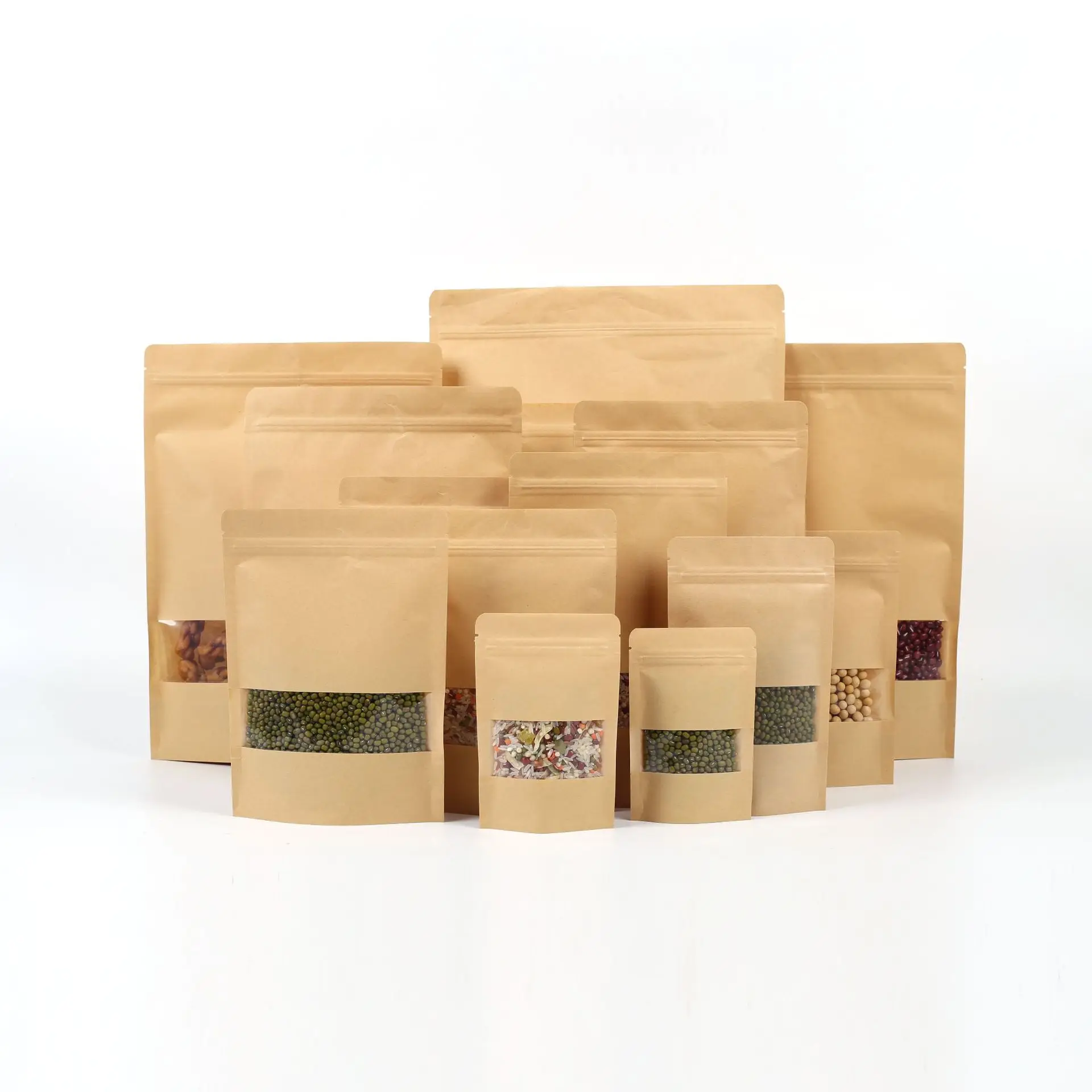
Kraft paper pouches come in coated and uncoated options. The choice affects moisture resistance, print quality, and overall strength.
● Coated Kraft Paper—Treated with a thin layer of polyethylene (PE) or another protective material. This adds moisture and grease resistance, making it ideal for coffee, snacks, and perishable goods. Coatings also improve printability, ensuring branding looks sharp and professional.
● Uncoated Kraft Paper—More eco-friendly but less resistant to humidity and oils. Works well for dry goods like tea leaves, powders, or handmade soaps. However, without an inner lining, it absorbs moisture, which can affect shelf life.
A kraft exterior isn’t enough to keep products fresh. That’s where inner linings come in. They create an extra layer of protection, keeping out oxygen, moisture, and light.
Common inner linings include:
● PLA (Polylactic Acid)—Biodegradable and best for sustainable packaging. Works well for dry foods but less effective against high moisture exposure.
● Foil Lining—This creates a strong barrier against oxygen and UV light, making it a top choice for coffee, spices, and supplements.
● Polyethylene (PE) or Polypropylene (PP)—Lightweight and cost-effective. Helps prevent leaks and improves flexibility without adding much weight.
Packaging needs to do more than hold a product—it needs to protect it from air, moisture, and contaminants.
A well-designed kraft pouch should have:
● Oxygen barriers to prevent spoilage and maintain freshness.
● Moisture resistance to avoid sogginess, mold, or texture changes.
● Greaseproof layers for oily or high-fat products like nuts and coffee.
● UV light protection to stop sun damage on sensitive goods.
Skipping these details can lead to stale coffee, melted chocolate, or ineffective supplements—costing businesses money and trust. Choosing the right material means balancing protection, branding, and sustainability without sacrificing product integrity.
A stand-up pouch does more than hold a product—it affects storage, shipping, and customer experience. A pouch that’s too big wastes material and shelf space. One that’s too small can crush contents or make filling difficult. Finding the right balance ensures efficiency, protection, and a professional look.
Start by considering product weight, volume, and density. A lightweight, airy product like popcorn needs more space than dense powders or granules.
Common Stand-Up Pouch Sizes (W x H x Gusset):
● 3.5" x 5.5" x 2" – Best for small portions like tea bags, spices, or samples.
● 5" x 8" x 3" – Works well for snacks, dried fruits, or powdered supplements.
● 6" x 9" x 3.5" – Suitable for coffee, bulk spices, or baking ingredients.
● 7" x 11" x 4" – Ideal for pet treats, granola, or larger product quantities.
The gusset (bottom fold) determines capacity—a wider gusset expands more, making the pouch stand upright and hold heavier products without tipping over.
A pouch’s shape influences how it sits on shelves, how easy it is to handle, and how well it protects its contents.
Popular Stand-Up Pouch Shapes:
● Standard Stand-Up Pouch – Classic oval-bottom design that offers stability and works for most products.
● Box Bottom (Flat Bottom) Pouch – Provides more storage with a rigid, box-like shape. Great for bulkier goods like coffee beans or pet food.
● Shaped Pouches – Custom die-cut designs that enhance branding. Often used for premium snacks or high-end specialty items.
● Overestimating capacity—A pouch that’s too big makes the product look underfilled and wastes material.
● Ignoring expansion needs—Powders and grains settle over time, requiring more initial space.
● Choosing the wrong gusset width—A narrow gusset can make the pouch unstable and prone to tipping.
● Forgetting storage and display constraints—A pouch that doesn’t fit on standard retail shelves can create stocking issues.
The right size and shape maximize efficiency, reduce waste, and enhance product appeal. A well-fitted pouch looks full, structured, and professional—without unnecessary bulk.
A pouch’s closure system does more than keep the product inside—it determines freshness, usability, and shelf appeal. The wrong choice can lead to leaks, stale goods, and frustrated customers.
Zippers offer convenience and extended freshness. They allow customers to reseal the pouch after each use, reducing exposure to air and moisture.
Types of Zipper Closures:
● Press-to-Close (Standard Zipper) – A simple, cost-effective option for dry goods, snacks, and coffee.
● Powder-Proof Zipper – Designed to prevent fine particles from clogging the seal, making it ideal for protein powders and baking mixes.
● Velcro-Style Zipper – Provides easier alignment for customers who struggle with traditional zippers. Works well for bulk food items.
Best for: Snacks, coffee, pet food, and items that need to stay fresh after opening.
A heat seal creates an airtight closure, ensuring zero contamination before the first use. It also provides a tamper-evident feature, reassuring customers that the product is untouched.
Common Heat Seal Options:
● Tear Notches – Allow for easy opening while maintaining a clean, professional look.
● Perforated Seals – Provide extra security while making it clear if a pouch has been opened.
Best for: Pharmaceuticals, powdered supplements, and perishable food items.
For high-value or perishable products, combining a heat seal with a resealable zipper offers the best of both worlds—tamper-proof security before opening and convenience for multiple uses. If freshness is the top priority, a foil-lined pouch with a heat seal and resealable zipper is the gold standard. A well-chosen closure prevents waste, enhances customer satisfaction, and preserves product integrity.
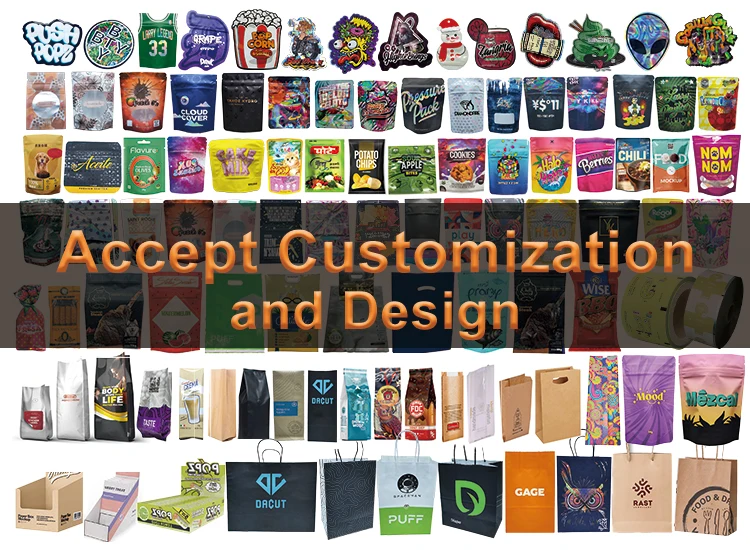
A kraft paper stand-up pouch isn’t just a container—it’s a silent salesperson. The right design attracts buyers, reinforces brand identity, and communicates quality before a single word is read.
● Color & Contrast – Earthy tones highlight sustainability, while bold colors grab attention on shelves.
● Minimalism vs. Bold Graphics – Clean, simple layouts feel premium while striking visuals make a brand instantly recognizable.
● Typography & Readability – Fonts should be clear, distinctive, and easy to read at a glance.
● Logos & Placement – A well-positioned logo builds recognition. The top center or front and center works best for most pouches.
● Clear Product Information – Customers scan quickly. Highlight product name, key benefits, and size up front.
● Sustainable Messaging – If the pouch is compostable or recyclable, make that clear with small, meaningful icons—not cluttered text.
Matte finishes feel high-end, while glossy coatings enhance vibrancy—choose based on your branding goals.
The right stand-up pouch does more than hold a product—it preserves freshness, enhances branding, and meets sustainability goals without unnecessary costs. Making the right choice means balancing material strength, size, closure type, and budget to create packaging that looks professional and performs well in real-world conditions.
Here’s a quick recap of what matters most:
● Material selection – Coated vs. uncoated kraft, barrier linings, and protection levels.
● Size & shape – Picking the right dimensions to maximize efficiency and shelf presence.
● Closure types – Zippers and heat seals that keep products fresh and secure.
● Branding & design – Creating packaging that catches attention and builds trust.
● Sustainability – Meeting eco-friendly standards without sacrificing functionality.
● Cost vs. quality – Smart spending to get the best value without unnecessary expenses.
Every detail affects shelf life, customer experience, and overall brand perception. Choosing the right kraft paper pouch means thinking beyond appearance—it’s about performance, protection, and practicality. Want packaging that works as hard as your product? Make smart material choices, invest where it counts, and build a packaging solution that stands out, sells, and stays reliable.
Shenzhen Mega Packaging Co.,LTD
The luckiest thing for us is to meet you,We are looking forward to do business with you!
Copyright © 2026 Shenzhen Mega Packaging Co.,LTD - www.kmjbag.com All Rights Reserved.
